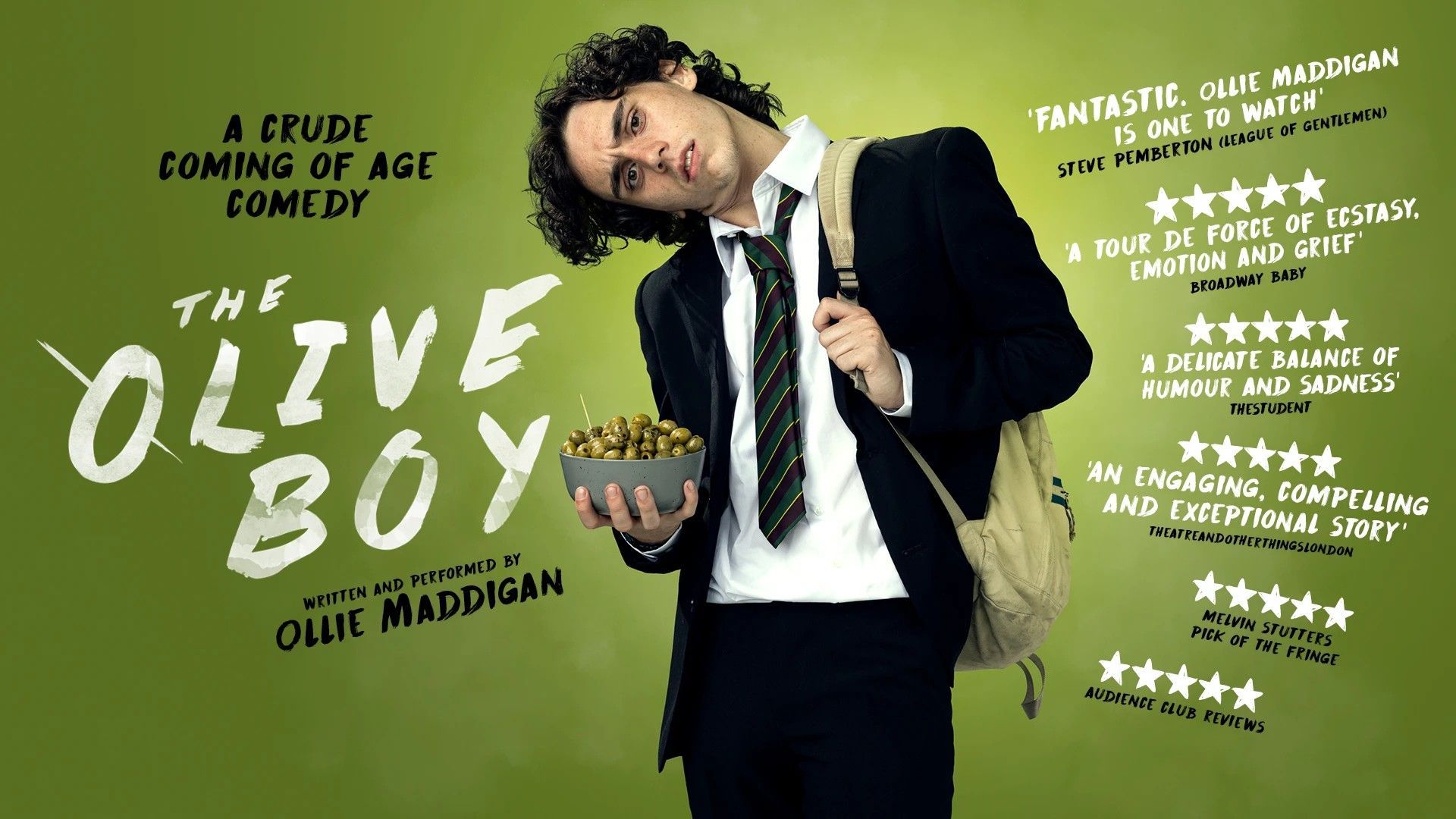


When Ollie Maddigan, the OFFIE Award winning writer and performer first applied for a slot at a fringe pub theatre venue in Islington, he had little more than a title for his first play ‘The Olive Boy’. “The production team agreed to put it on at The Hope Theatre during The Camden Fringe Festival after just a short Zoom call where I explained what the show was going to be about,” he tells me.
Established during 2006, The Camden Fringe is a hot spot where theatres such as The Hope, host young artists like Maddigan on their stages across the borough. The festival has seen an incredible mix of plays, comedy and burlesque, from instant hits to much quicker flops but its thirst for invention remains. Maddigan is just another theatre success story whose journey was paved by The Hope Theatre’s commitment to take the risk and have faith in new writing.
“I could never have done it anywhere else as it literally only cost me about 200 pounds to put the whole thing on. Marketing, Production and Venue all. included,” Maddigan says, grinning. With most theatres now charging a pricy rental fee, The Hope Theatre takes only 50 per cent on box office sales and charged Maddigan only an extra 100 pounds in rental charges during new writing seasons.
Kennedy Bloomer, the artistic director of The Hope Theatre at the time, predicted the show’s early success: “I knew the show was something to stop and consider on first reading. It stood out for all the right reasons,” she tells me. “If you get the show right and are surrounded by a great team with pub theatre, it can really the start the journey of a project or piece,” Bloomer says.
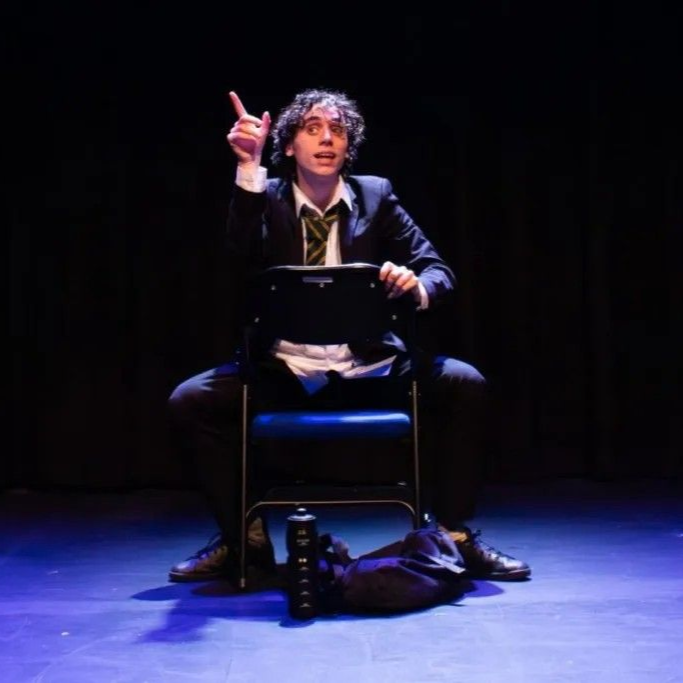
Images: Ollie Maddigan headshot and performing his one-man show (Photography by Adam Jefferys)
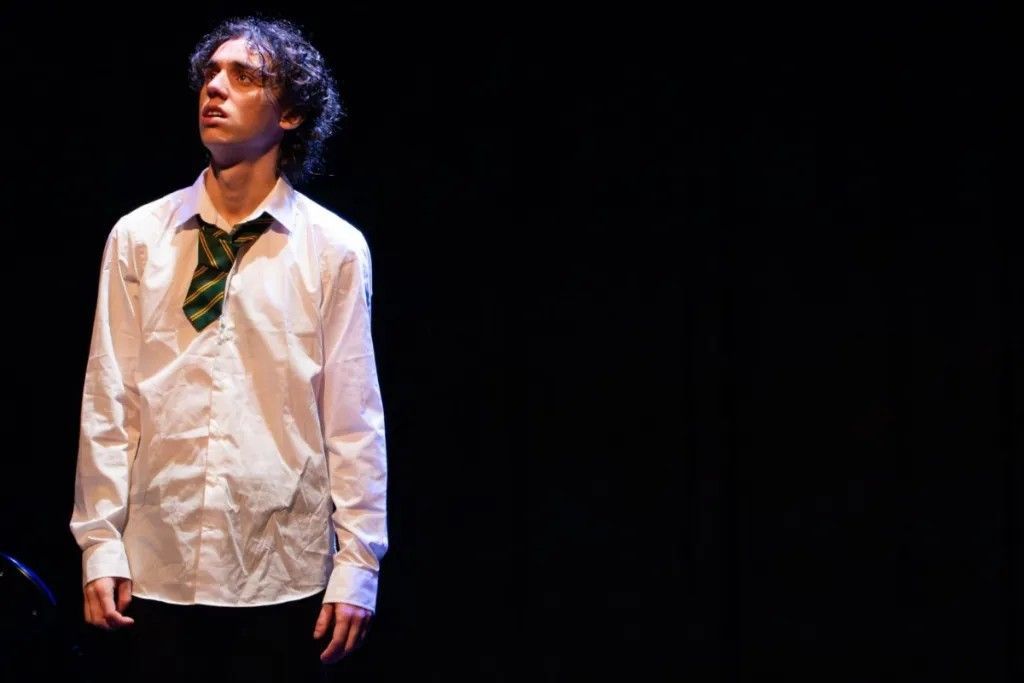
Maddigan must have done something right as Bloomer’s team asked Maddigan to bring The Olive Boy back for a two-week run after its August showings in Edinburgh. Maddigan’s show is a clever look at grief through teenage angst, immaturity and slap stick comedy. It tells the true story of how Maddigan lost his mum at an early age, coped with a difficult relationship with his father and had an awful encounter with olives attempting to secure his first girlfriend.
Performing at The Hope Theatre kicked this piece into the spotlight. Not just helping Maddigan get his first reviews, but the venue even managed to make him a tiny bit of cash. “I never ever could have afforded Edinburgh if it wasn’t for those people who donated money from seeing it in London,” he tells me. Maddigan is keen to encourage young creatives to make use of what pub theatres have to offer: “They are so much more than strange small box rooms where you can still hear the patron’s downstairs having a pint during the show. You learn which directions in which to push your work, and many playwrights wouldn’t exist without them,” Maddigan tells me.
History proves him right. Some of the UK’s and America’s most well-regarded dramatists began putting on their scripts in awkward black out rooms, where the actors are right up in the audience’s faces. Olivier Award-winning James Graham could have never put on his Euro football hit Dear England at The National Theatre if the tiny Finborough Theatre didn't take chances on him with its ‘New Writing’ program in the early 2000s.
Graham’s first major play, Albert’s Boy was staged at The Finborough in 2005 and won the Pearson Playwriting Bursary, providing him with the financial support to continue his career. Matthew McDonaugh’s Pillowman has a similar story with the exact same venue and even the legendary Lungs written by Duncan Macmillan started out at a small Studio Theatre in New York.
“Some of the best plays ever written have come out of pub theatres or places like them,” Maddigan beams. “Playwrights don’t often have the ability to send work immediately off to an agent. We must start at small fringe theatre with scripts that we have to put on ourselves.” Currently, Maddigan is putting on his much-loved show at The Southwark Playhouse. It’s quite a step up from cozy spaces above a bar and he is feeling the difference: “It’s so much more stressful. The PR and actual industry response has been a lot bigger and of course there is a much higher standard,” he says.
Maddigan does not plan to take the The Olive Boy any further after these performances in January this year: “The only thing that I haven’t done with this show is the West End and that’s not really part of my plan. The work is published now, and I’ve put it on everywhere that I originally dreamed of,” he says. “The fringe and pub theatre community is all about giving broke, young (or wait not even young) just broke creatives, the resources to market and put on their work,” Maddigan claims.
It’s clear to see that he has a burning desire to work in this industry and yet, paying his rent and surviving financially off his art are realities he must face. “Some years I manage to work and live off the theatre industry but then in others, I don’t work in theatre at all,” he says. “I would be quite happy just to never ever need to pull a pint again,” Maddigan says whilst laughing. Ironically, pub theatres like The Hope, have given him this opportunity to escape bar work and have made him into the performer he is today.
THE OLIVE BOY runs at The Southwark Playhouse Borough 14 - 31 January